Bed Bug Services for Beginners
Table of ContentsBed Bug Services Can Be Fun For EveryoneGetting The Bed Bug Services To WorkThe Basic Principles Of Bed Bug Services
Heat treatment is a highly effective methods for removing bed bugs from apartments, condos, and offices. Unlike pesticide applications that work only on direct contact, thermal methods affects all areas where bed bugs hide, killing bugs at every stage in a single session. Learning the process behind heat treatment helps homeowners, property managers, and business owners make informed decisions.The principle of heat treatment is simple yet powerful. Bed bugs die when exposed to high temperatures. Research indicates that environments reaching 122°F can kill bed bugs. For thorough eradication, professionals usually heat the area to 135°F–145°F so that dense furniture and wall voids reach lethal levels. Maintaining high temperatures long enough makes sure that every hiding place is affected.

Unknown Facts About Bed Bug Services
When the heating process starts, they set up powerful heaters along with air movers to circulate hot air. Rather than turning up heaters to maximum, the temperature is raised slowly, to protect belongings and keeps them from finding refuge more helpful hints in cooler areas.

After the treatment, the space begins cooling and the area is this allowed why not look here to cool gradually. Many companies inspect for surviving insects and provide detailed reports showing temperatures reached, duration, and recommendations. This proof ensures confidence and shows the treatment was comprehensive.
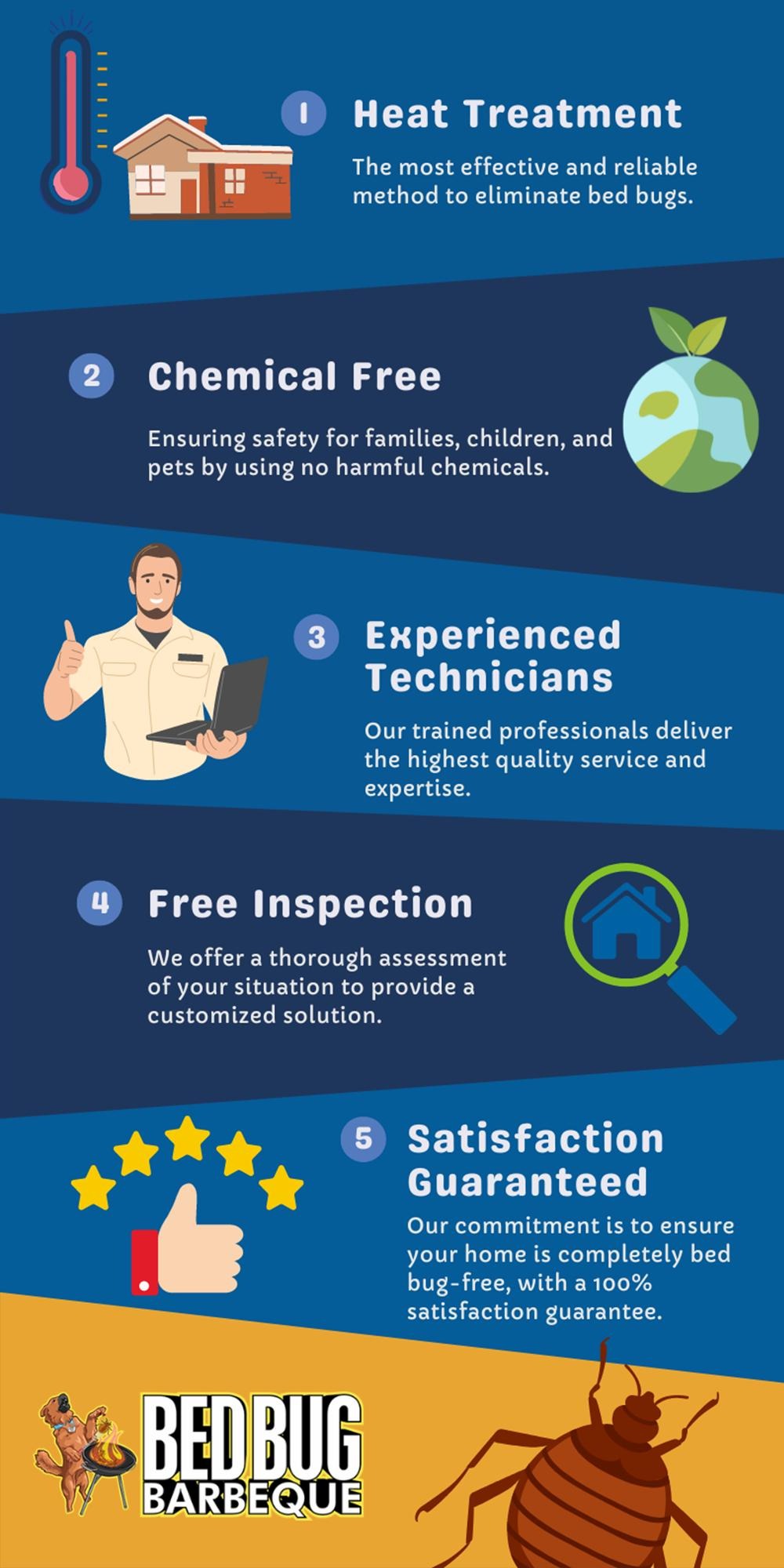
Heat treatment offers several advantages over chemical treatments. It is chemical-free, which is ideal for families and those with health concerns. It is often a one-day solution, allowing people to resume daily life immediately - Bed Bug Services. Heat also eliminates bugs even in unseen spaces. Unlike some methods, it kills all stages of bed bugs at once, saving time and money
Unknown Facts About Bed Bug Services
While highly effective, heat treatment requires careful consideration. It can be a higher upfront investment, particularly in multi-unit buildings. Reinfestation is possible if people bring them in again, so ongoing monitoring is important. Certain items require removal or protection, and in multi-unit housing, supplementary treatments can be recommended.
Many professionals follow heat with inspections and preventive measures to catch any stragglers. Follow-up devices and careful inspections can help verify the treatment’s success.
After treatment, long-term prevention is key. Regular inspections of mattresses, upholstery, and closets help catch early signs of activity. Mattress and box spring encasements make inspections easier, while reducing clutter can help maintain control. Being mindful of used items is also important to prevent bed bugs from returning.
Heat treatment remains the gold standard for homes and businesses with established infestations. It provides a chemical-free, comprehensive approach that restores peace of mind. When performed by trained professionals, it kills all life stages without the lingering effects of chemicals, allowing residents or business owners to return to normal life.